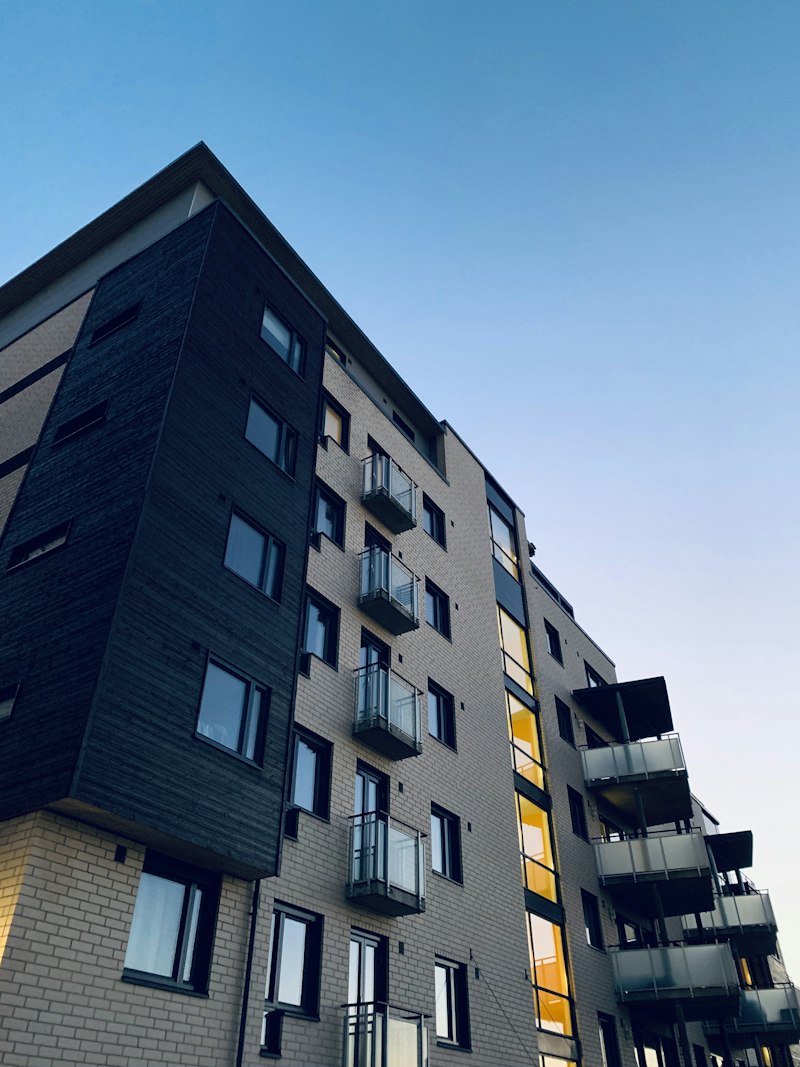
Photography rooted in architectural understanding

We've spent years studying how buildings communicate through visual language. Our work bridges technical documentation and creative interpretation, serving architects, developers, and design professionals who need imagery that does justice to their built work.

Photographer working with architectural subject
Professional photography equipment for architecture

Approach and methodology

Each architectural subject presents unique challenges in how space translates to two-dimensional representation. We begin every project with site analysis, studying sun paths, surrounding context, and the architect's intended experience of the space.

Our equipment includes perspective-control lenses that maintain vertical lines, high-resolution sensors for large-format output, and lighting systems that complement rather than overpower natural illumination. The technical setup serves the creative intent, not the other way around.

Post-production follows established architectural photography standards while respecting the authentic character of each space. We enhance clarity and balance without creating unrealistic representations that would misrepresent the finished work.

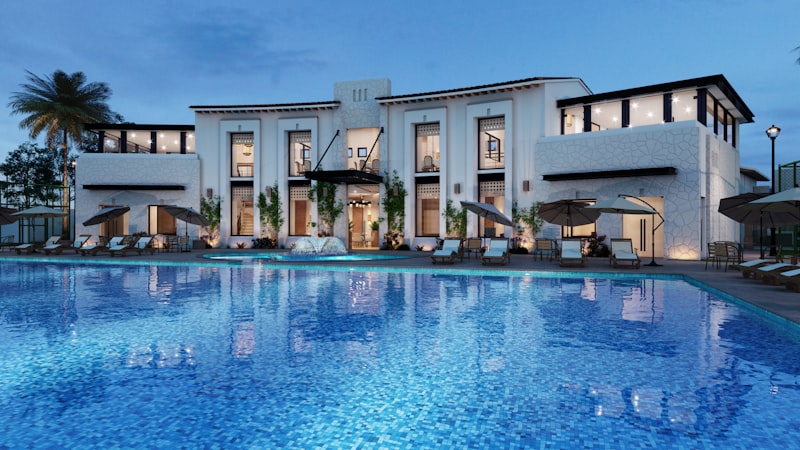
Working with design professionals

Our client base spans architectural practices, construction firms, interior designers, and property marketing agencies. Each sector has different requirements for how photography serves their business objectives.

For architects, images often need to communicate design philosophy and spatial innovation. For property developers, the focus shifts toward lifestyle appeal and market positioning. We adapt our approach to serve these varying needs while maintaining consistent technical standards.

Project timelines are structured around optimal lighting conditions rather than arbitrary schedules. A building photographed during harsh midday sun will never achieve the tonal quality of one shot during morning or late afternoon light. We plan shoots accordingly and communicate realistic timeframes from the start.

Collaboration meeting with architectural plans
Modern architectural workspace

Technical foundation and creative evolution

Photography of the built environment has evolved significantly with digital sensor technology and advanced processing capabilities. What hasn't changed is the fundamental requirement to understand composition, light quality, and architectural intent.

We invest in ongoing education around new building materials, construction methods, and design trends. Understanding contemporary architecture improves our ability to capture it effectively. Regular consultation with architects keeps our visual approach aligned with current professional discourse.

The intersection of technical precision and interpretive vision defines our work. Documentation accuracy matters, but so does creating images that convey the experiential qualities of inhabiting these spaces.